EES Undergraduate Programs
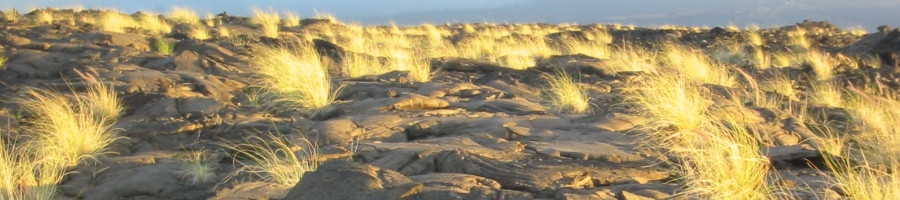
The Department of Earth and Environmental Sciences offers a Bachelor of Science (B.S.) in Earth and Environmental Sciences as well as elective minor programs in Environmental Science and Geophysics. If a student is interested in any of these programs, explore them on this website and consider contacting the EES undergraduate advisor to discuss them further.
Note that our former major programs, Bachelor of Science in Geological Sciences and Bachelor of Science in Environmental Geosciences are in moratorium through Fall 2030. Only students that have enrolled in these majors in Spring 2026 or earlier may continue in them. Courses and other content that supported both the Geological Sciences and Environmental Geosciences majors continue to be offered as options to fulfill the new B.S. in Earth and Environmental Sciences.
Our Academic Major Program
The Major in Earth and Environmental Sciences is a Bachelor of Science degree, and it offers flexible pathways to support careers in geology, environmental science, and planetary science. This is the major for students who want to understand how Earth works as a system—from its rocks, oceans, atmosphere, and ecosystems to the interactions that shape landscapes and climates over time. This major is available to all MSU undergraduate students.
Our Academic Minor Programs
The Minor in Geophysics enriches a student's major program by adding quantitative training in the physical processes that govern Earth, environmental, and planetary sciences. This minor is available to all MSU undergraduate students.
The Minor in Environmental Sciences begins with a broad introductory environmental science course, and then it provides a menu of courses that focus in turn on the biology/ecology, chemistry, and systems components of environmental science. This minor is available to all MSU undergraduate students except those enrolled in the Major in Earth and Environmental Sciences.
Experiential Learning and Field Skills
In the Earth and environmental sciences, experiential learning is highly valued by employers and so the development of field skills is an important training component of our curriculum. These hands-on skills and field experience are not easily replaced by computers such as artificial intelligence (AI), which is an important consideration for employment in the 21st century.
Our instruction combines first-hand data collection and measurement with cutting-edge technology and scientific analysis. Many of our faculty are leaders in the use of AI tools to solve pressing problems across the Earth and environmental sciences, combining human-powered observations and critical thinking with machine-learning and Big Data.
Many courses incorporate field skills into the undergraduate curriculum using day or weekend field trips to apply classroom knowledge. The EES major includes a required field course that may be satisfied by a 6-week off-site geological field camp, which many EES alumni highlight as the most impactful learning activity during their MSU education.
Student Inclusion and Accessibility
The Department of Earth and Environmental Sciences is committed to fostering an inclusive, accessible, and supportive environment in which all students can participate fully and succeed. The department emphasizes inclusion, respect, and a positive community climate, while recognizing that students may face barriers related to disability, family responsibilities, finances, or other circumstances. Consistent with MSU policy, EES supports student accommodations and accessible learning environments. Follow this link to RCPD to request necessary accomodations, which EES faculty are committed to providing in our classrooms, laboratories, and field sites.